Home › ATEX explosion proof lighting
Hazardous area lighting

ATEX explosion proof LED lighting

Certified LED high bays and floodlights for Zone 1, 2, 21 and 22, plus a plain-English guide to zones, gas groups and temperature classes.

See ATEX productsGet a hazardous area quote
ATEX range

ATEX and IECEx certified LED lights

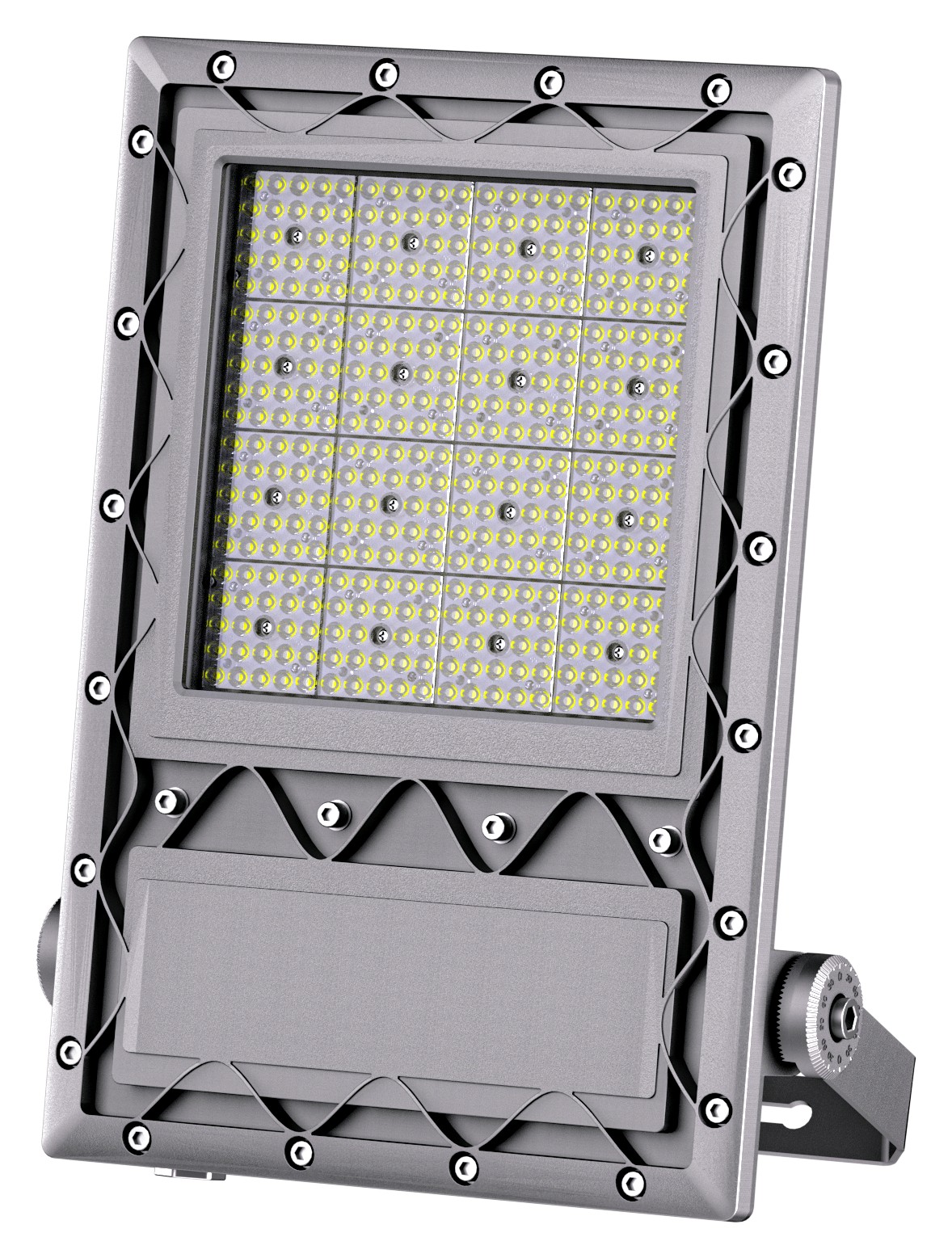
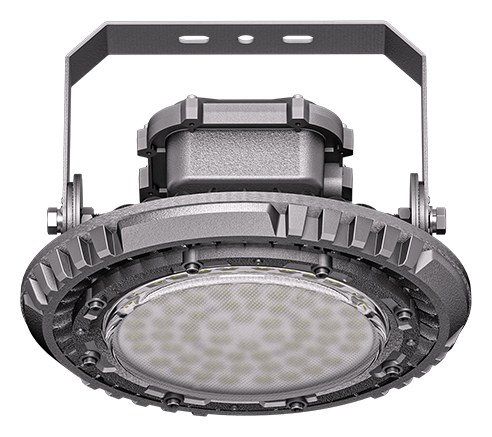
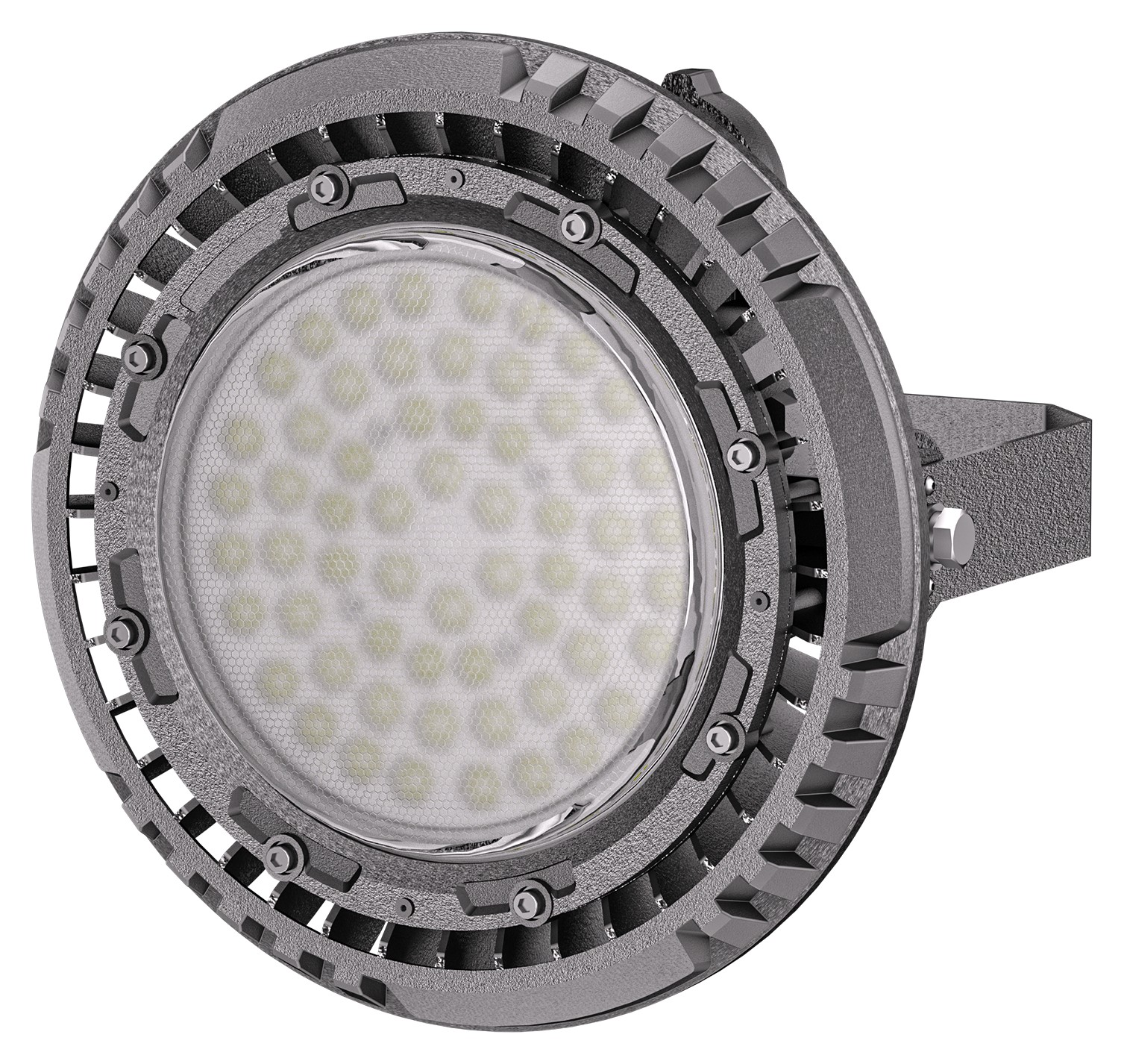
PS-ATEX-HIGHBAYPS-ATEX-FLOOD
TypeFlameproof high bayFlameproof floodlight
Power100 and 200 W100 to 240 W
Gas markingII 2G Ex db IIB T5 GbII 2G Ex db IIB T4 Gb
Dust markingII 2D Ex tb IIIC T95°C DbII 2D Ex tb IIIC T130°C Db
Zones1, 2, 21, 221, 2, 21, 22
Efficacy160 lm/W160 to 170 lm/W
ProtectionIP65, IK10IP66, IK10, WF2
Certificate no.TÜV 22 ATEX 8897 X, IECEx TUR 22.0062XTÜV 25 ATEX 9333 X, IECEx TUR 25.0073X
Warranty5 years5 years
Guide

ATEX zones explained

Sites are classified into zones by how often an explosive atmosphere is present. The zone decides which equipment category you need.

ZoneAtmosphereExplosive atmosphere presentEquipment categoryPolaris range
Zone 0Gas, vapour, mistContinuously or for long periods1GNot covered
Zone 1Gas, vapour, mistLikely in normal operation, occasionally2G or 1GPS-ATEX-HIGHBAY, PS-ATEX-FLOOD
Zone 2Gas, vapour, mistNot likely, and only for a short period3G, 2G or 1GPS-ATEX-HIGHBAY, PS-ATEX-FLOOD
Zone 20Combustible dustContinuously or for long periods1DNot covered
Zone 21Combustible dustLikely in normal operation, occasionally2D or 1DPS-ATEX-HIGHBAY, PS-ATEX-FLOOD
Zone 22Combustible dustNot likely, and only for a short period3D, 2D or 1DPS-ATEX-HIGHBAY, PS-ATEX-FLOOD
Guide

Gas groups

GroupTypical gasesPolaris
IIAPropane and many solventsCovered (IIB covers IIA)
IIBEthylene and similarCovered
IICHydrogen, acetyleneNot covered
Guide

Dust groups

GroupType of dustPolaris
IIIACombustible flyingsCovered
IIIBNon-conductive dust (e.g. flour, grain)Covered
IIICConductive dust (e.g. metal dust)Covered
Guide

Temperature classes

The T class is the maximum surface temperature of the fitting. It must be lower than the ignition temperature of the gas on site.

ClassT1T2T3T4T5T6
Max surface temp.450°C300°C200°C135°C100°C85°C
PolarisPS-ATEX-FLOODPS-ATEX-HIGHBAY
Guide

How to read an ATEX marking

Example: PS-ATEX-HIGHBAY gas marking

II 2G Ex db IIB T5 Gb

IIEquipment group II: surface industries (not mining)
2GCategory 2, gas: suitable for Zone 1 and Zone 2
Ex dbProtection by flameproof enclosure
IIBGas group IIB (also covers IIA)
T5Max surface temperature 100°C
GbEquipment protection level "high" for gas
PS-ATEX-HIGHBAY flameproof LED high bay
FAQ

ATEX lighting questions

What is ATEX?

ATEX covers two EU directives for explosive atmospheres: 2014/34/EU for equipment and 1999/92/EC for workplaces. Equipment used in a classified hazardous area must be certified for that zone.

Do I need ATEX or UKEX lighting in Great Britain?

Equipment placed on the GB market falls under the Equipment and Protective Systems Intended for Use in Potentially Explosive Atmospheres Regulations 2016.

Which zones can Polaris ATEX lights be used in?

PS-ATEX-HIGHBAY and PS-ATEX-FLOOD are category 2 equipment (II 2G / II 2D), suitable for gas Zones 1 and 2 and dust Zones 21 and 22. They are not for Zone 0 or Zone 20.

Are they suitable for hydrogen?

No. Both are certified for gas group IIB. Hydrogen and acetylene need IIC equipment.

What is the difference between T4 and T5?

The temperature class is the maximum surface temperature: T4 is 135°C, T5 is 100°C. It must be below the ignition temperature of the gas or vapour on site.

Who can install ATEX lighting?

Installation and inspection should be carried out by competent persons in line with IEC/EN 60079-14 and 60079-17.

What warranty do you give?

All Polaris products, including our ATEX range, carry a 5-year warranty.
5 Yrs

Need lighting for a hazardous area?

Send us your zone drawing and gas or dust group. We will confirm a compliant fitting and supply certificates.

Get an ATEX quote